
Choosing between Google My Business vs. Landing Pages isn’t a philosophical question—it’s a performance question. Your ad promise, your audience intent, and how quickly you can prove value to a local buyer determine whether clicks turn into calls, directions, booked appointments, or form fills. In this guide, we’ll walk through the real trade-offs so you can decide what to send traffic to, how to measure outcomes, and what to test next in 2026.
What We Learned Running This Type of Campaign
When we run Google Ads for local services, we usually start by asking one question: Do customers need confidence first, or information first? In many markets, people search “near me,” “open now,” or “service + city” before they’re ready to submit a lead form. In those moments, a strong Google My Business profile can reduce uncertainty by showing address, hours, reviews, and relevance right where the ad click begins. That visibility often improves engagement and lowers perceived risk.
But we also learned that clicks don’t automatically equal conversions. If the next step doesn’t match the user’s reason for clicking—offer, service area, location details, pricing expectations, or urgency—then even great ad copy underperforms. Dedicated landing pages win when we need tighter messaging, a single clear CTA, and better control over conversion optimization.
The most useful pattern we observed across campaigns is that the best setups rarely rely on only one destination. Instead, we align each destination to the user’s job-to-be-done: use Google My Business to build immediate trust, and use landing pages to drive a specific action. That approach is the core of effective Google My Business vs. Landing Pages planning.
Google My Business vs. Landing Pages: How They Actually Behave in Google Ads
In Google Ads, the destination experience matters because it shapes the user’s next decision. Think of the user journey in two phases: (1) trust and relevance, and (2) conversion and measurement. Google My Business tends to strengthen the first phase. Landing pages tend to strengthen the second phase.
Google My Business: built for local trust, visibility, and fast answers
Google My Business (often called GMB, even though the product has evolved into Google Business Profiles) is designed to make local businesses understandable and credible at a glance. When you connect your Google Ads efforts to your business presence, you can surface key details such as:
- Location signals (address, proximity cues, map context)
- Business hours and “open now” visibility
- Reputation assets (reviews and ratings)
- Basic service context (categories, posts, and business details)
For advertisers targeting local intent, this matters. Many users don’t want to hunt for basic information after clicking. They want reassurance right away.

Where GMB is strongest is when the user is evaluating whether your business is legitimate and relevant before taking action. That’s why GMB can be especially effective for “near me,” brand-adjacent queries, and high-urgency scenarios like same-day services.
Landing pages: built for control, clarity, and conversion optimization
Landing pages are designed with one purpose: guide a visitor toward a specific outcome—call, booking, quote request, consultation signup, or lead form submission. A dedicated landing page can match your ad promise line-by-line with:
- Message alignment (the same offer, service, and location focus)
- CTA clarity (one primary action, less distraction)
- Conversion-focused layout (proof, FAQs, and steps to action)
- Testable elements (headlines, forms, offers, and page sections)
If your campaign is focused on performance—maximize conversions, improve ad performance, and track outcomes—a landing page provides the structure you need to run systematic improvements.

In practice, landing pages also make it easier to connect changes to results. If conversion rate increases after updating the hero section or reducing form friction, you have clearer evidence of what worked.
How to Decide Between Google My Business vs. Landing Pages (Without Guessing)
Deciding between Google My Business vs. Landing Pages should be based on what your audience needs next, not what sounds better in theory. Use the guide below to choose the best destination for each ad group or offer.
1) Match destination to the user’s “next step”
Ask: after clicking, what decision is the user trying to make right now?
- If the next step is reassurance (is this business real, local, and reputable?), prioritize Google My Business.
- If the next step is choosing an option and converting (get pricing, book now, request a quote), prioritize a landing page.
2) Evaluate conversion rate trade-offs
In many setups, landing pages can outperform for lead capture because they are intentionally built for conversion optimization. However, GMB can outperform when the user’s primary goal is quick information (hours, direction, reviews) rather than form completion.
So instead of treating this as “either/or,” treat it as “which destination reduces friction most for this audience?”
3) Consider measurement and iteration speed
Landing pages usually give you deeper visibility into what visitors do on-site and faster iteration cycles. You can change page content and compare outcomes. With GMB, you still get meaningful signals, but conversion attribution and fine-grained testing can be more limited depending on your tracking approach.
Campaign Structure: A Practical Setup That Works
Here’s a structure we’ve had success with when using Google My Business vs. Landing Pages together. The goal is not to overload users with too many steps—it’s to send them to the destination that best matches each ad’s promise.
Step-by-step approach
- Group ads by intent: create ad groups around services and local areas, and align messaging to the specific problem (e.g., emergency repair vs. scheduled consultation).
- Align the offer to the destination: if the ad emphasizes speed and trust, GMB is a natural match for initial clarity; if the ad emphasizes a specific offer or process, use a landing page.
- Use consistent CTAs: make sure the call or form request feels like the continuation of the ad, not a separate decision.
- Monitor results by conversion type: calls, direction requests, quote submissions, and bookings should each be treated as their own success metric.
- Iterate based on performance: update the destination experience that is closest to the user’s main friction point.
When we keep this structure, reporting becomes clearer, and we’re less likely to blame the ads for problems caused by the destination.
Important warning: Don’t run a Google Ads campaign without a plan to evaluate destination performance. A common failure mode is optimizing only for click volume and ignoring whether the landing experience is converting. Always connect your destination decision to outcomes like calls and form submissions—otherwise you may “learn” the wrong lesson from the data.
ROI and KPIs: What to Track for Google My Business vs. Landing Pages
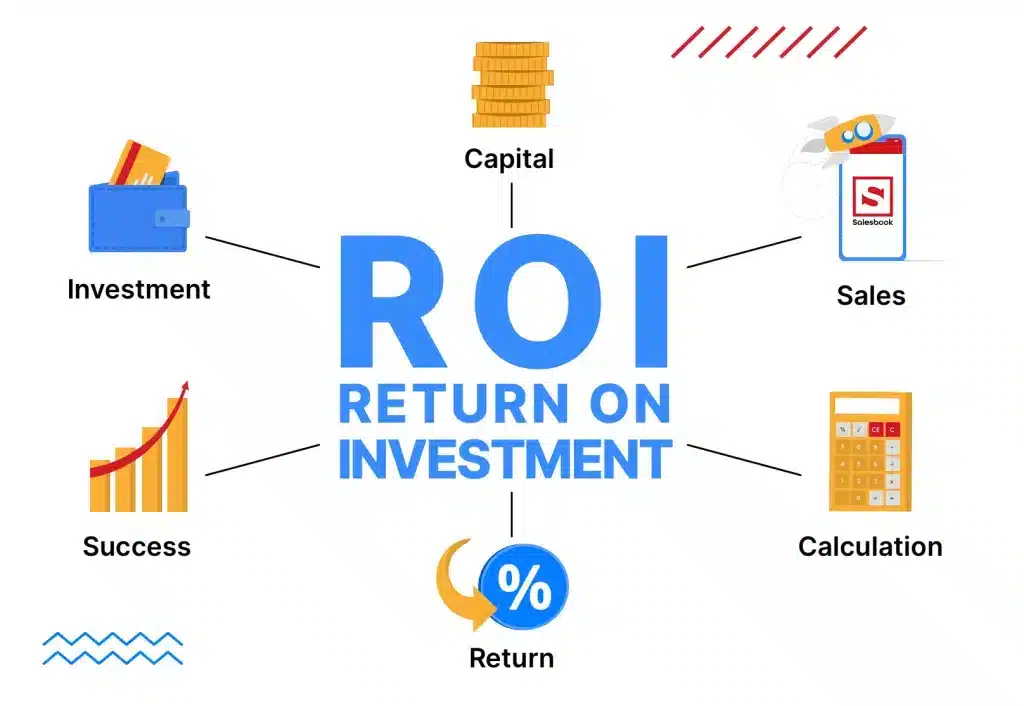
ROI matters because destination choices affect more than just conversions. They influence cost, user friction, and how quickly leads turn into customers. When you compare Google My Business vs. Landing Pages, evaluate the full funnel.
Key metrics to monitor
- Conversion rate: how many clicks lead to the action you care about.
- Cost per click (CPC): destination relevance and message alignment can impact how efficiently you reach the right audience.
- Cost per conversion: a practical metric that ties ad spend to outcomes.
- Return on investment (ROI): revenue and profit compared to ad costs.

In day-to-day optimization, we focus on ROI-related decisions: Which ads are profitable because of the destination experience? Which destination reduces waste? This is where structured testing and disciplined measurement prevent guesswork.
ROI formula you can use
To compare options in a consistent way, calculate ROI using the same inputs across destinations:
ROI = (Net Profit ÷ Cost) × 100
When you apply this to Google My Business vs. Landing Pages, plug in the real cost of the campaign and the profit tied to conversions from each destination. Then decide based on profitability, not vanity metrics.
Pro Tip: Use Audience Signals to Improve Destination Match
Pro tip: If you suspect your best customers are already familiar with your business (or are showing strong buying intent), don’t force every click through the same landing experience. Test destination alignment by audience signals, and support your optimization with reliable campaign rules. For example, you can pair your conversion-focused setup with smarter bidding and pacing using practical guidance from google ads tip 1 never run good ad without a cost cap.
Common Mistakes When Comparing Google My Business vs. Landing Pages
After watching many account audits, we’ve seen the same issues repeat. Avoid these and your testing process will be more reliable.
Mistake 1: Treating “destination” as a last-minute change
If you rewrite an ad and then keep an old destination, you may create a mismatch. The user clicks because of your ad, and then your destination fails to confirm the message.
Mistake 2: Ignoring conversion intent differences
A click can represent different intent levels. Someone clicking for directions may not want to fill a long form right away. Someone clicking for a quote may be ready to convert immediately. Your destination should reflect that reality.
Mistake 3: Over-optimizing one metric
High CTR or low CPC does not guarantee profit. A destination that converts fewer but at a higher value can beat a destination with cheaper clicks.
Mistake 4: Not testing enough variations
Both GMB presence and landing page experiences improve with iteration. If you only test the headline once and then decide, you may miss the real lever.
One useful mindset is to assume the platform may show your ads in surprising contexts. That’s why we also review how Google Ads can “trick” your assumptions and lead you toward misleading conclusions. If you want a checklist-style way to sanity-check performance, read google ads tip 3 google ads fools you.
Future Trends: Why Hybrid Setups Will Keep Winning
We expect Google My Business vs. Landing Pages decisions to become more performance-driven, not more “brand-driven.” In the coming cycles, businesses that treat destination experiences as part of their conversion system—not a separate afterthought—will maintain stronger results.
Hybrid strategies are increasingly practical because you can use GMB to capture trust at the point of decision, while landing pages can handle the heavier lifting: explaining offers, presenting proof, and guiding users through a defined action path.
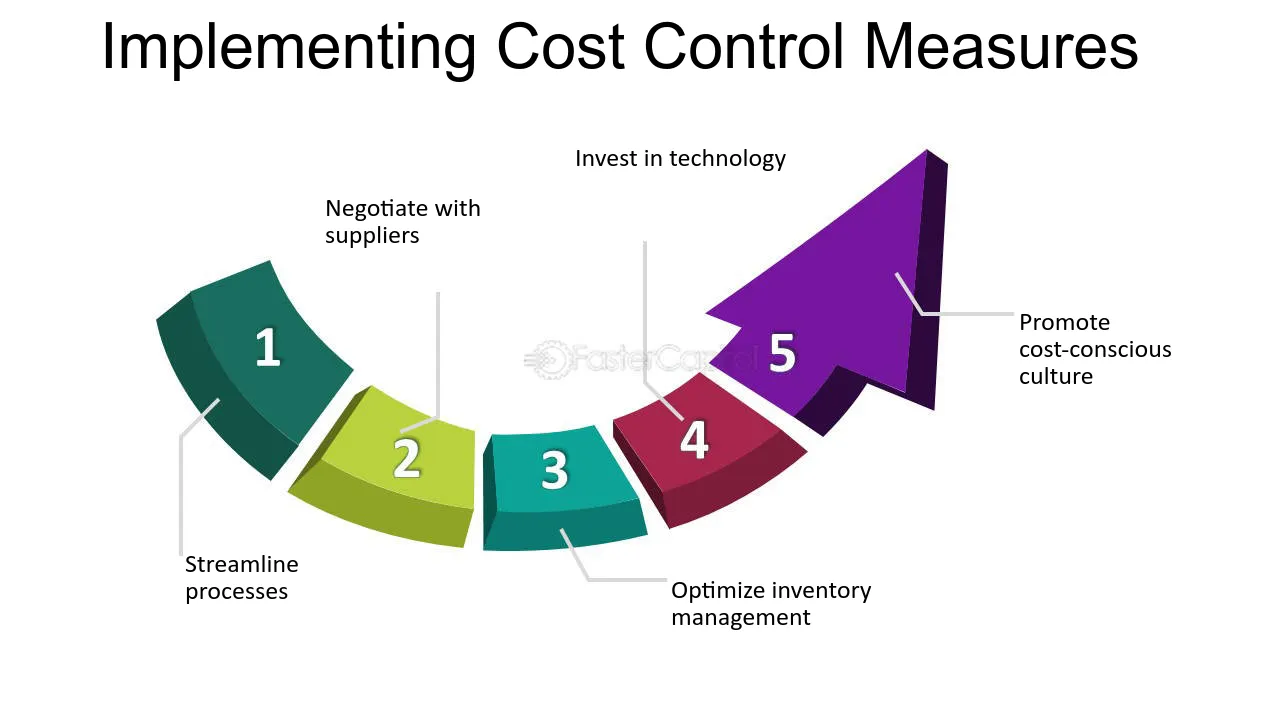
We’ve also seen teams improve outcomes by pairing landing page improvements with smarter cost-control tactics. When you combine a better destination with controlled bids, you reduce the chance of paying too much for the wrong engagement.
And as campaign automation evolves, marketers need guardrails. If you’re exploring budgeting and performance rules, make sure you keep an eye on how changes affect conversion efficiency, not just ad delivery.

Conclusion & CTA
If you want results, choose destinations based on what the customer needs next. Google My Business vs. Landing Pages isn’t about picking the “better” tool—it’s about picking the destination that most reduces friction for your specific audience and offer. Use GMB to strengthen local trust and immediate clarity, use landing pages to drive conversion optimization and measurable outcomes, and consider a hybrid setup when you want the strengths of both.
Next step: take one ad group, define the primary conversion action, and run a focused test that compares the destination experience. If you want to improve bidding discipline while you test, use google ads tip 2 audience observation zero cost tremendous benefits to refine how you learn from your traffic before scaling spend.
Frequently Asked Questions
When should I send Google Ads traffic to Google My Business instead of a landing page?
Send traffic to Google My Business when the user’s main need is fast reassurance: local location clarity, hours (“open now”), reputation via reviews, and direction-ready information. This is especially helpful for high-urgency local searches where users want immediate proof before they take a longer action like submitting a form.
What landing page elements matter most for converting Google Ads clicks?
Focus on message alignment and a single primary call-to-action. Include proof (reviews, results, or relevant credentials), clear service and location details, and a straightforward path to the next step (call, booking, or quote request). Reduce friction by keeping forms short and explaining what happens after submission so visitors feel confident taking action.
How can I compare Google My Business vs. landing pages using ROI, not guesswork?
Track conversions by destination and calculate ROI using consistent inputs: net profit attributed to conversions and total campaign cost. Use conversion rate and cost per conversion to understand efficiency, then confirm profitability with ROI. This way, you can choose the destination that performs best for your business model—not just the one with higher clicks.