
Most advertisers chase “more keywords” and “more variations,” but the real lift often comes from a simpler shift: The Power of Nouns Over Verbs in Search Keywords. When your query-focused wording names what people actually want—products, services, brands, problems—your ads become easier to match and easier to click. The result is usually cleaner traffic, steadier quality, and fewer wasted clicks.
What We Learned Running This Type of Campaign
When we first tried The Power of Nouns Over Verbs in Search Keywords approach, we expected an improvement in performance. What surprised us was how quickly the reporting “stabilized” after we tightened wording. Campaigns stopped feeling chaotic and started looking predictable—because the terms we targeted were more directly tied to what customers were searching for.
We also learned that nouns do more than improve relevance; they reduce interpretation. A verb can be vague (“learn,” “get,” “watch”) because it doesn’t always reveal the specific outcome. Nouns typically point to the exact category or object (“insurance quote,” “roof repair,” “credit repair company”). That clarity affects ad delivery, how users scan the page, and whether they stay long enough to convert.
For a deeper look at how platform auction dynamics influence performance, we recommend reviewing auction insights as described in Google Ads tip 14—it pairs well with keyword wording changes like this one.

The Power of Nouns Over Verbs in Search Keywords: How It Works in Real Campaigns
To make The Power of Nouns Over Verbs in Search Keywords strategy work, you need to treat wording like a targeting tool, not just a text string. In practice, we looked for search phrases where the “main job” of the term was done by nouns—things people can name clearly. Then we rebuilt our targeting and ad messaging to mirror those nouns.
Here’s a quick way we evaluate candidate terms before they go into a campaign:
- Does the phrase name something concrete? (a service, product, feature, provider, model, or category)
- Does it strongly indicate the customer’s next step? (requesting, comparing, buying, booking)
- Can our landing page answer that noun directly? (not just generally, but specifically)
- Will the ad headline include that noun naturally? (so the click feels obvious)
When nouns lead the phrase, Google Ads has more straightforward patterns to match, and users have more straightforward expectations when they land on your site.
Why noun-led phrases typically perform better than verb-led phrases
There are a few practical reasons we consistently see noun-led performance advantages:
- Clarity beats ambiguity: Nouns reduce guesswork about what the user really wants.
- Better message alignment: When your ad copy repeats the noun, the user’s scan is faster and trust rises.
- Higher click-through rate: Ads feel like answers, not interruptions—especially for people comparing options.
- Improved ROI: Targeting tends to produce more qualified sessions, which supports higher conversion rates and less wasted spend.
In other words, The Power of Nouns Over Verbs in Search Keywords can act like a quality filter—without you needing to complicate your structure.

Build a Noun-Based Keyword Strategy (Step by Step)
If you want to apply The Power of Nouns Over Verbs in Search Keywords in a way that’s measurable, follow a clear workflow. We use the same sequence every time so we can isolate what’s improving results.
1) Start with keyword research that highlights noun phrases
Go beyond a basic list. We focus on terms that clearly name what you sell or the problem you solve. A good noun-centered term usually includes:
- A service noun: “marketing consultant,” “spa package,” “payroll service”
- A product noun: “CRM software,” “running shoes,” “window replacement”
- A role/company noun: “accounting firm,” “HR department,” “dentist in Austin”
- A measurable outcome noun: “lead generation,” “credit score repair,” “SEO audit”
Then we cluster them by category so the ad copy can match the nouns in each cluster.
2) Align ad copy and landing pages to the dominant noun
We treat the dominant noun like a promise. Your ad should say it. Your page should deliver it—fast. If your ad targets a noun like “roof repair,” the landing page should immediately cover roof repair and its key qualifiers (timeline, process, location, pricing range guidance, or service areas).
This alignment is also why we sometimes use broader campaign themes but keep the ad and page focused on the noun. If the user is searching for a category, your page should answer that category. If they’re searching for a specific type of item, your page should show that type.
For campaigns that involve local presence, we also found it matters whether you send traffic to a local asset or a purpose-built page. See how tip 9 compares Google Business Profile vs landing pages—it helps you decide what supports noun-based messaging best.
3) Replace vague verb-heavy terms with noun-led variants
Verb-heavy terms can be useful, but they often broaden your audience in ways you don’t want. When we see that a verb term triggers wide search behavior, we either:
- Swap to a noun-led version
- Keep the phrase but tighten the match level
- Move it into a separate ad group so it can’t distort reporting
For example, “book” alone doesn’t reveal the service. But “massage appointment” or “salon booking” names what’s being booked—so we can write an ad and prepare a landing page that directly matches the noun.
4) Use performance monitoring to validate the noun effect
We don’t assume. We measure. After changing targeting and ad copy, we watch how noun-led groups behave relative to verb-led groups in the same timeframe. The most revealing signals are:
- CTR changes (are ads becoming more clickable?)
- Conversion rate changes (is the traffic matching what the landing page offers?)
- Cost per conversion (are we paying less for outcomes?)
- Quality signals (are ads aligning better with the query phrasing?)
If you want a straightforward guide to what metrics can reveal quickly—and how they can mislead when viewed alone—read Google Ads tip 5 on metrics: the good news and the bad news.
Visualize Keyword Performance and ROI with Clear Comparisons
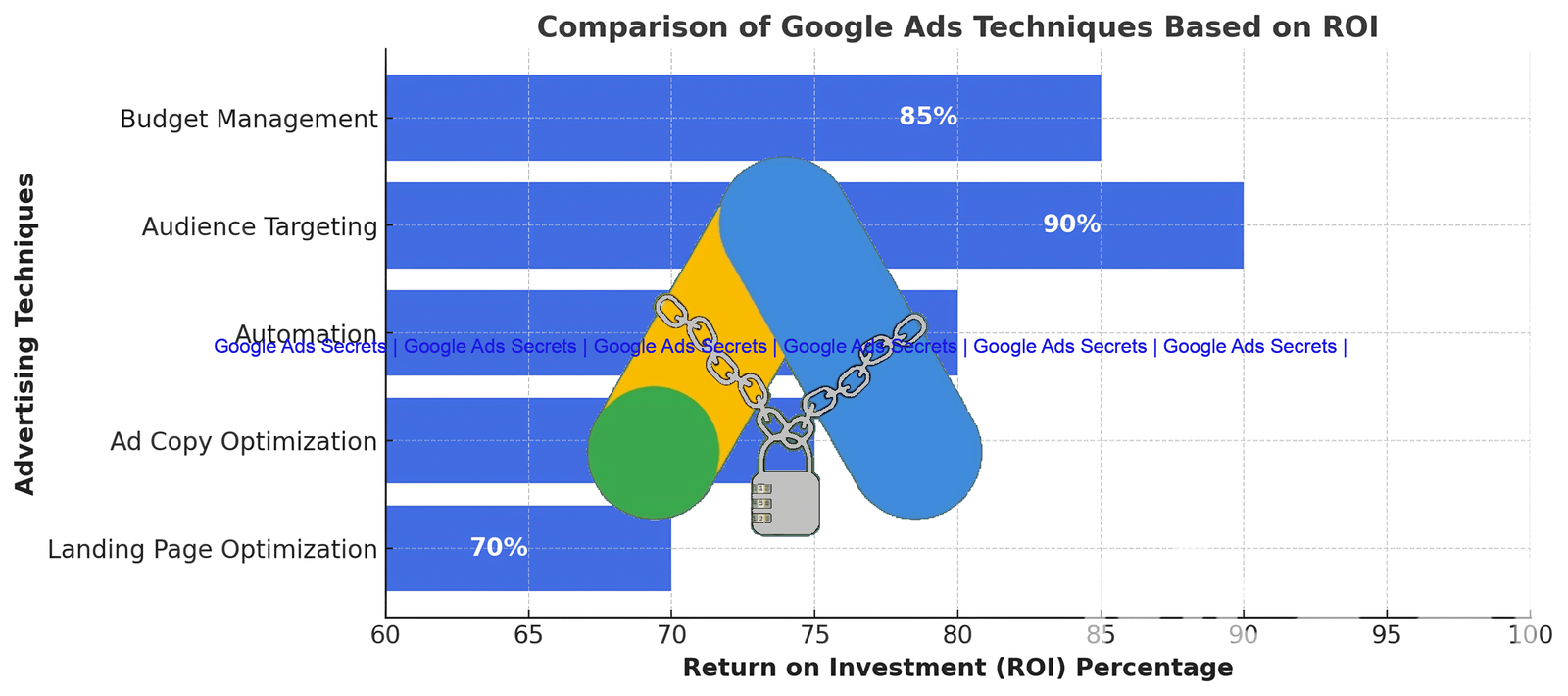
One reason The Power of Nouns Over Verbs in Search Keywords is easy to operationalize is that it creates cleaner comparisons. Instead of guessing whether “keyword changes matter,” you can compare noun-led ad groups and verb-led ad groups under similar budget and targeting constraints.
Below is an example of how visual reporting can help you see ROI trends when you shift toward noun-focused targeting:
And once you start comparing groups, you’ll notice how different targeting styles influence where your ads show and how users react. That’s why we like using simple visual snapshots when stakeholders want quick clarity.

Measure ROI Impact: What to Track After the Shift
To evaluate The Power of Nouns Over Verbs in Search Keywords correctly, track outcomes—not just clicks. Noun-led targeting often reduces irrelevant traffic, which can improve both efficiency and conversion rates.
Here’s what we typically monitor right after implementing noun-focused changes:
- ROI impact: More relevant ads and pages usually support stronger net results.
- CPC behavior: With improved relevance and expectations alignment, costs can stabilize, even if bids remain unchanged.
- Conversion lift: When the noun matches the page content, users are more likely to take the next step.
To keep ROI conversations grounded, we use a simple ROI framework and document the assumptions. The image below summarizes an ROI formula you can use to structure your reporting:

Once you have ROI tracked, you can compare changes in a way that supports decision-making across ad budgets and landing page updates.

Campaign Examples and What to Expect as You Iterate
Teams often expect instant “massive results” after switching to The Power of Nouns Over Verbs in Search Keywords. In our experience, the better pattern is stepwise improvement: you tighten relevance first, then you scale what converts.
What changed when we moved from verb-first to noun-first
In one of our recent optimization cycles, we saw a recurring pattern:
- Ads became more consistent with the object of the search.
- Users spent more time engaging with the landing page content.
- Performance became easier to optimize because reporting clusters matched reality (service, category, or product).
Even when total impressions didn’t jump immediately, the traffic quality improved—leading to more predictable outcomes.
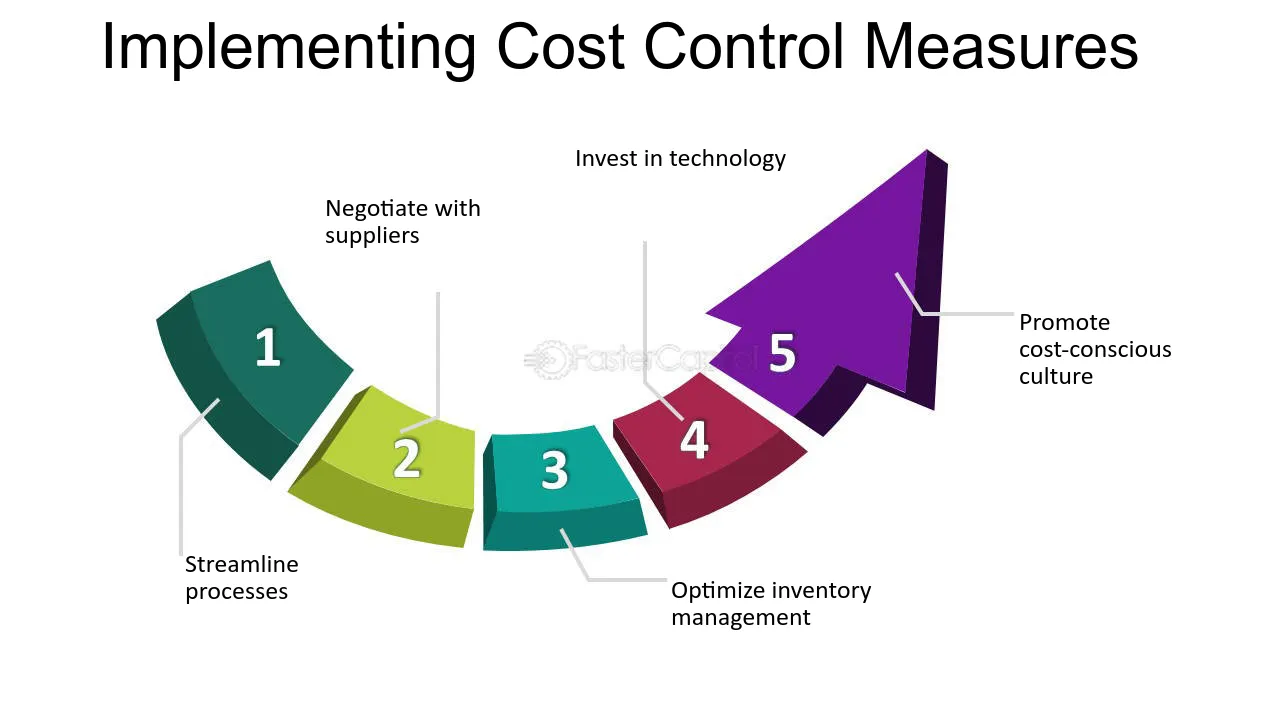
Below is an example graphic often used in discussions around ROI and marketing performance context:
As automation evolves, more advertisers will rely on tighter query-to-ad-to-page alignment. That makes The Power of Nouns Over Verbs in Search Keywords increasingly valuable because noun-led terms naturally create that alignment.
Conclusion & CTA
If you want a practical lever that improves ad relevance without turning your account into a complex puzzle, start with The Power of Nouns Over Verbs in Search Keywords. Use nouns to identify the product, service, or category people are actually searching for, then align your ad copy and landing page to match that object quickly. When the promise is clear, clicks tend to rise, wasted spend falls, and ROI becomes much easier to grow.
If you’re ready to apply it next, pick one campaign, rewrite two ad groups around noun-led phrases, and track CTR and conversion rate by group for a full optimization cycle. Then repeat—because the best noun strategy is the one your data confirms.
Frequently Asked Questions
1) How do I tell whether a search phrase is noun-led or verb-led before adding it to Google Ads?
Look at the central “object” of the phrase. If the wording names a specific thing (a service, product type, brand, location, or category), it’s noun-led. If the phrase mainly communicates an action without naming the object (for example, “learn,” “get,” “try”), it’s verb-led. For The Power of Nouns Over Verbs in Search Keywords strategy, prioritize phrases where the noun clearly tells you what the landing page must deliver.
2) Will using more noun phrases reduce my reach or limit traffic volume?
It can reduce very broad match behavior because noun-led terms are usually more specific. However, we’ve found that the tradeoff is often worth it: higher-quality clicks, better alignment between ads and the page, and fewer irrelevant sessions. A safer approach is iterative—move the most promising noun-led groups into separate ad groups, monitor results, and only then scale what shows strong conversion efficiency. This also helps you avoid changing too much at once when applying The Power of Nouns Over Verbs in Search Keywords.
3) What landing page changes matter most when you shift from verb-heavy to noun-heavy search terms?
Focus on instant relevance. Make sure the page headline, the first section, and key bullets directly address the noun the user searched for (service type, product category, location, or offer). If your ads target “roof repair,” the page should clearly describe roof repair, show process steps or proof points, and include the most important qualifiers (service areas, timeline, and next steps). When the page matches the noun promise, conversion rate tends to rise—which is the core payoff of The Power of Nouns Over Verbs in Search Keywords.