


In Google Ads, control decisions shift rapidly between automation and human precision, and here the concept of Continuity Update – Return to Manual Bids emerges as a way to regain control of performance through conscious adjustments based on real data, rather than relying on “set it and forget it.”
Key Takeaways from Campaign Management When Dealing with This Shift
In our work with various Google Ads campaigns, we found that returning to manual bids does not mean “eliminating automation” entirely, but rather replacing randomness with control. The most common issue we encounter is that when the manual bidding team operates without a review system and clear success metrics, adjusting the bid itself becomes a source of disruption instead of a tool for improvement.
Therefore, we started treating the Continuity Update – Return to Manual Bids as an operational plan: We define when to adjust the bid, by what metric, to what extent, and how to monitor the response. This approach has made performance more stable, especially when competition or search behavior changes during certain days and times.
How Do We Understand “Continuity Update – Return to Manual Bids” Within the Campaign?
The core idea is that control over bids shifts from a heavy reliance on automated decisions to a method that relies on the supervisor’s experience in reading performance signals and transforming them into adjustments. What matters here is that manual bids give you the ability to act immediately when a clear deviation appears: a drop in conversions, an increase in cost-per-click, or fluctuations in visit quality.
However, the success of this method depends on how it is implemented. It is not enough to “raise or lower” the bid; you need a framework that defines what you believe is happening, how the impact will appear in the short term and then the short-to-medium term.
When Are Manual Bids Really Useful?
- When the market is changing rapidly: such as sales seasons, competitor price changes, or peak activity periods for potential customers.
- When you want to interpret performance: instead of “the system decided,” you want to understand how each adjustment affected CTR, CPC, and conversions.
- When your data is sufficient for control: having a sufficient volume of clicks/conversions makes the decision closer to accuracy rather than guesswork.
Transitioning without Confusion: An Operational Plan Suitable for Practical Teams
To prevent manual bids from turning into a series of scattered decisions, we use a clear sequence. The idea is not the quantity of adjustments, but the quality of the adjustment and its timing.
1) Review the Key Metrics Before Touching the Bid
Before adjusting any number, we check three paths: visit quality (through CTR and ad/landing page data), landing page efficiency (through conversion rate), and cost of acquisition (through CPC and CPA). If the issue lies in the ad or the page and not in the bid, raising the bid may exacerbate the problem.
2) Use Historical Data as a Reference, Not as a Fixed Rule
We leverage previous performance to anticipate a logical range for bids under similar conditions. However, we allow current data to correct the course if there is a discrepancy in user behavior or search intent.
3) Define “What is the Goal” Before “How Do We Adjust”
When the goal is to reduce cost-per-click, we move gradually, and when the goal is to increase conversions, we may allow a limited increase in CPC in exchange for a clear improvement in CPA. This goal definition is what makes Continuity Update – Return to Manual Bids a strategic decision rather than a fleeting tactic.

4) Apply Calculated Bid Adjustments Across Campaign Segments
Instead of adjusting the overall bid, we tailor adjustments based on device, location, time, or audience segment when we have convincing readings. This reduces “side effects” and makes improvements more measurable.
5) Conduct A/B Testing at a Clear and Closed Range Level
Testing for us is not arbitrary. We test two scenarios with defined parameters: the range of keywords/ads, the duration, and how we will compare the results. If the change is too large from the first attempt, you won’t know what led to the improvement or decline.
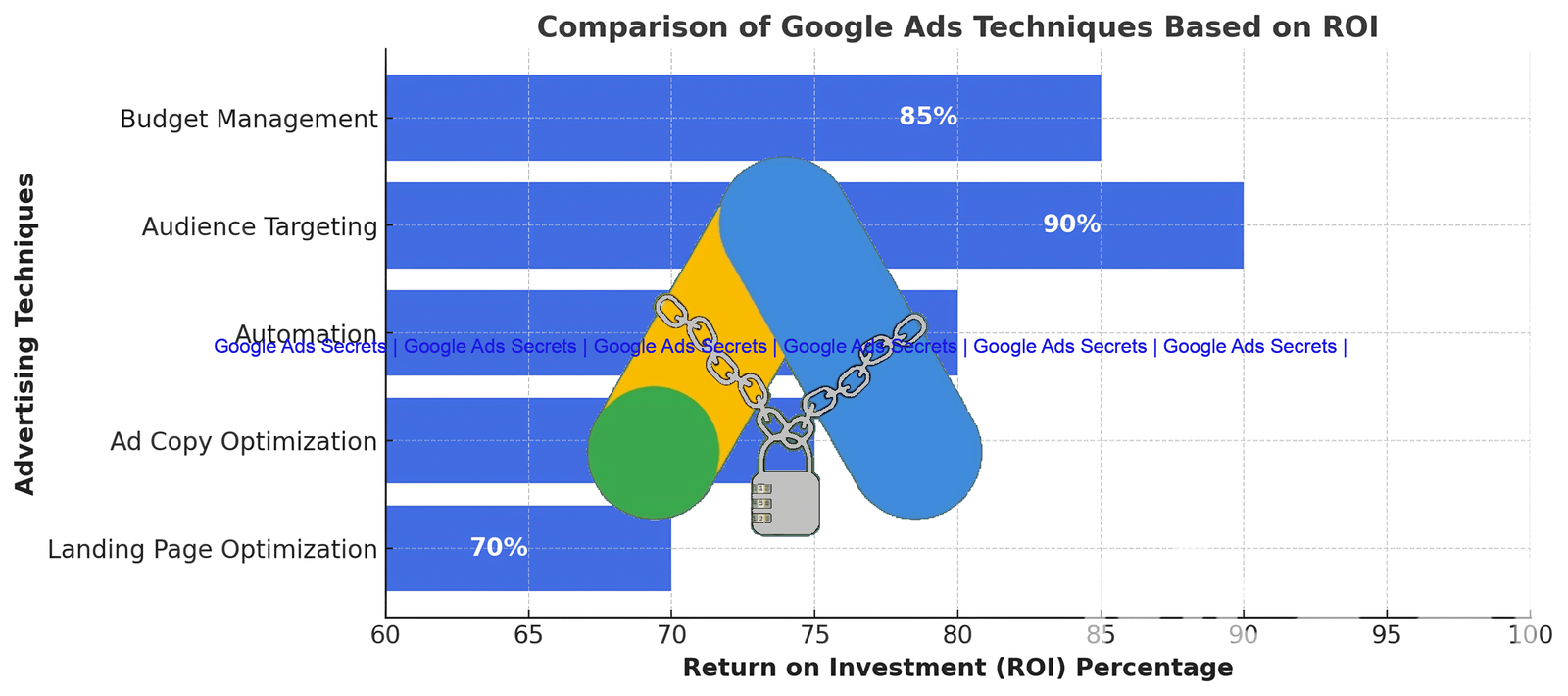
Quick Visualization: What Does It Mean to Control Your Bids Manually?
Sometimes the easiest way to convince the team is to show “how the picture looks” within the campaign. Then you understand why we do not make large adjustments, but rather small adjustments that accumulate, while monitoring metrics in real-time.

How Do We Ensure That the Adjustment Increases Efficiency Rather Than Just Raising Costs?
- We review conversions after a sufficient running period, not just after a few hours.
- We monitor CPA and not just CPC; because an increase in conversions may justify a higher CPC.
- We use segment reports (by device/location/time) to identify where the “real improvement” is.
- We document every adjustment: Why did we make it? What metric drove us? What was the outcome?
Important Alert: If you notice a rise in CTR but a drop in conversions, the problem is often not solely with the bid. Before continuing to raise prices, check the ad and landing page (the message, speed, and clarity of the offer) because manual bids may reveal the problem rather than solve it.
ROI and Manual Bids: How Do We Measure Impact Practically?
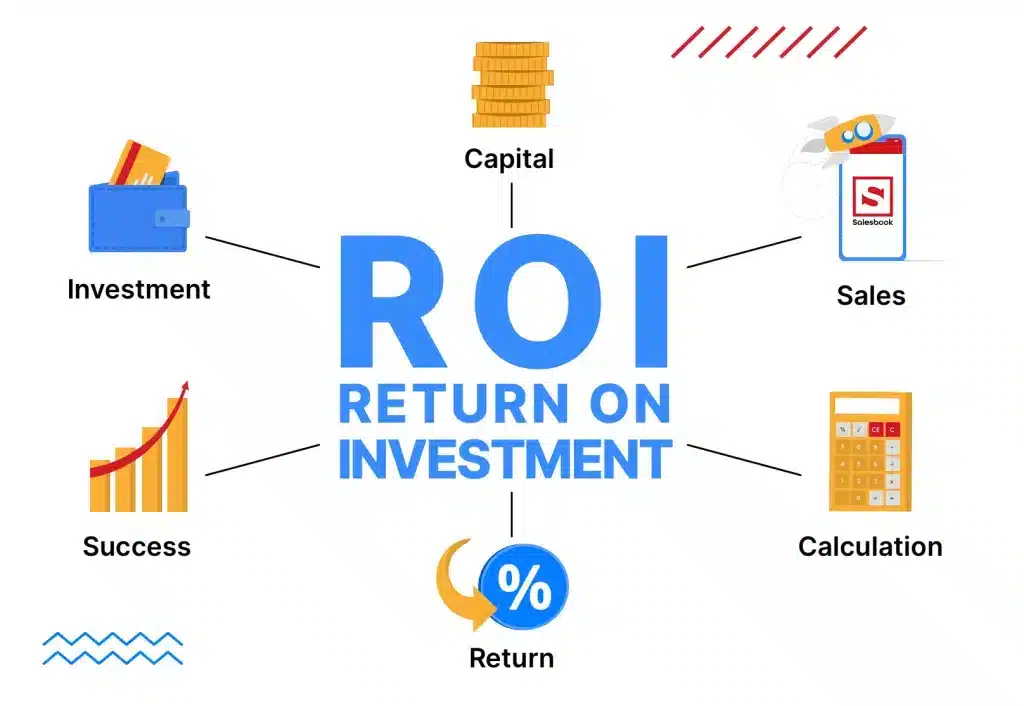
Manual bids are not measured “by feeling,” but by numbers. We focus on return on investment by linking spending to the resultant yield. When the campaign’s efficiency improves, this often shows up in CPA and reduced waste, then reflects in ROI.

To increase the accuracy of the ROI estimate, we also review whether the campaign goals and measurement (conversions) are set correctly. If conversions do not reflect the true value, the bid may seem to have “improved” while the measurement itself is incomplete.
If you want to deepen your method of managing campaign numbers and linking them to actual performance, you might benefit from reviewing Game-Changing Lessons from 2024 for Explosive to understand how the campaign handles shifts quickly.
Case Studies and Trends: Where Do You See the Difference After Weeks?
When we gradually implement the Continuity Update – Return to Manual Bids, we usually notice an improvement in “cost clarity.” This does not mean that costs always drop immediately, but it means that your decisions become interpretable: Why did the cost increase? Where did it happen? And what return followed it?
During the transition phase, it is important not to expect instant results for every campaign; some campaigns need to gather enough data after adjustments. Therefore, we treat the first weeks as a tuning period, then we start scaling once the improvement signal is confirmed.
On the other hand, there is a reason that differences occur: when you have diversity in keywords and ads, manual bids can highlight the best and reduce unproductive support. Conversely, if the campaign is “closed” with a very narrow keyword range or weak measurement, the limitations will emerge quickly.
To enhance the quality of execution on the text and ads that support performance stability, we also recommend following Google Ads Tip #1 Don’t Run a Bad Ad Campaign because it helps to boost conversion quality, making the bid adjustment “impactful” rather than merely controlling traffic reach.
How Do You Handle the Automation Feature Without Losing Control?
An important balance point: Even with updates pushing towards automation, manual bids remain useful when used as a control layer. Thus, we do not see them as an enemy but as a means to fine-tune the “pressure points” in the campaign.
In precise targeting scenarios, adjusting bids on specific segments can improve overall performance while your system continues to handle the rest of the details. The outcome we seek is to reduce waste while maintaining the ability to experiment.

If you are working on improving the targeting type itself, you may find value in Google Ads Audience Observation Benefits as it helps you understand how to notice segment behavior and decide what to do after reliable data appears.
Conclusion and Call to Action
If you are looking for a way to make your campaigns’ performance more manageable and measurable, the Continuity Update – Return to Manual Bids offers you a practical framework: review your metrics before adjustment, use historical data as a starting point, define a clear objective for each change, and progressively test and document the results. Start today with one campaign (or one ad group) with small, systematic adjustments, making each adjustment linked to a specific success metric.
Frequently Asked Questions
1) Does the Continuity Update mean a complete elimination of automation in Google Ads?
Not necessarily. In our experience, the best application is “balanced”: you use automation when your data is strong and speed of execution is needed, then introduce manual bids as a control layer when clear deviations appear or when you want to interpret costs accurately. The core idea is not to let the system alone make the decision when you are better able to read the context.
2) How often do we adjust manual bids without causing fluctuation?
There is no single fixed rule, but our approach relies on “review time” related to the campaign data size. Typically, we start with daily or weekly reviews based on the availability of conversions and clicks. The important thing is to avoid very frequent adjustments without waiting for their effect on metrics like CPC, CPA, and conversion rate, as bids operate within an auction environment affected by many factors.
3) What is the most important metric when evaluating the success of manual bids compared to CPC alone?
For us, the most important metric is often CPA or Cost Per Acquisition as it links the cost of reach to the actual outcome. CPC may decrease while conversions do not increase, or CPC may rise with improved conversions, and the decision is correct. Therefore, we link the adjustment to the ultimate goal of the campaign, then monitor ROI as a final check on the impact on returns.