
When comparing Google Experts vs. Beginners’ Tips, you’ll notice that the difference doesn’t lie in the general concepts as much as in the way of working itself: experts base their decisions on data, turning every result into a clear action within the campaign, while a beginner might be content with a quick setup and then wait for improvements without a system.
Key Takeaways from Managing Ad Campaigns: Where is the Gap Between Experts and Beginners?
In our work with PPC campaigns, we observed that beginners often start from “activation” while experts start from “diagnosis.” We treat each campaign as an interconnected system: the goal dictates the structure, the structure defines the targeting, the targeting specifies the message, and the message is tested on landing pages before measuring the results to create a recurring optimization cycle.
Therefore, instead of chasing every new feature, we focused on 3 stable pillars: organizing the account, optimizing the conversion path from the first click to the last step, and making measurement an integral part of execution.
Google Experts vs. Beginners’ Tips: How Do Decisions Differ Within the Campaign?
When comparing Google Experts vs. Beginners’ Tips in reality, it’s clear that experts are not looking for a “perfect setup” at once but are seeking an “improvable setup.” This means every small adjustment has a reason, and every reason’s impact is measured after a suitable period.
1) Campaign Building Logic: Structure Before Numbers
A beginner often places everything in one ad group: too many keywords, unclear offers, and multiple ads without order. As experts, we rebuild the campaign so that each part serves a specific funnel. While this may seem like extra work at first, it reduces confusion and makes result analysis faster and more accurate.
Indicator of Difference: When groups are very similar in outcome, it’s hard to know the cause. When organized by intent/type/stage, optimization becomes direct.
2) Targeting: From “Broad Match” to “Intent Signals”
At the starting stage, a beginner may use a broad range hoping to gather data quickly. This may work in some simple cases, but in most markets leads to budget waste on visits that do not align with the client’s real needs.
We adopt a progressive approach: starting with a range that captures potential opportunities, then introducing constraints and customization based on user behavior and conversion results. Over time, the campaign becomes more “intelligent” through data, not guesswork.
- Start with gathering clean data by organizing groups.
- Filter the data by excluding the unsuitable and improving signals.
- Only expand what proves effective to prevent increasing waste.
3) Testing and Optimization: A/B is Not an Event but a System
A beginner may experiment with two ads and decide quickly. Experts design tests with a plan: when to start testing, what sample size is needed, and how to determine the winner based on conversion and not just preferences.
We conduct A/B tests with clear focus: changing the ad message or offer wording or call-to-action format, while keeping the rest of the variables as constant as possible. Then we analyze the results and decide: do we continue? Do we expand? Or do we rebuild the part causing poor conversion?

The Most Important Optimizations We Actually Implement in PPC
The difference between experts and beginners appears when we move from “marketing” to “calculated operation.” Here are the things we’ve focused on repeatedly until they became part of our workflow.
Optimizing Ad Texts: Align the Message with the Same Promise on the Page
Ad text is not just about attracting clicks; it sets user expectations. If the ad promises something and the page shows something different, the quality of experience declines and conversion chances diminish.
Therefore, we align:
- The ad promise upfront (Value Proposition).
- The proof details on the page (features/examples/warranty).
- The clear conversion step (form/contact/purchase).
Optimizing Landing Pages: Reducing Friction Before and After Clicks
Many beginners focus only on the ad. We’ve learned that the landing page is the real “testing station.” We monitor friction points: form length, offer clarity, speed, and information layout.
Then we make small measurable adjustments instead of large changes all at once.
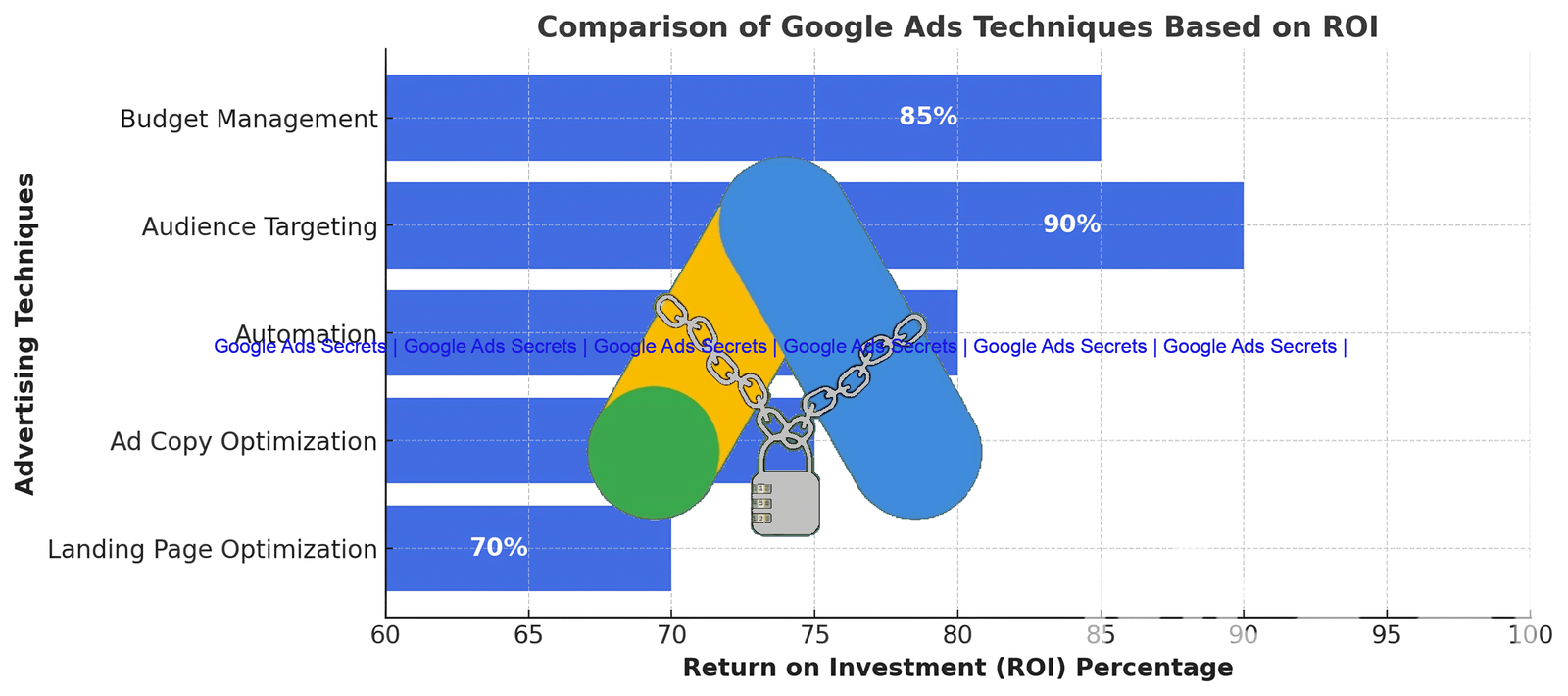
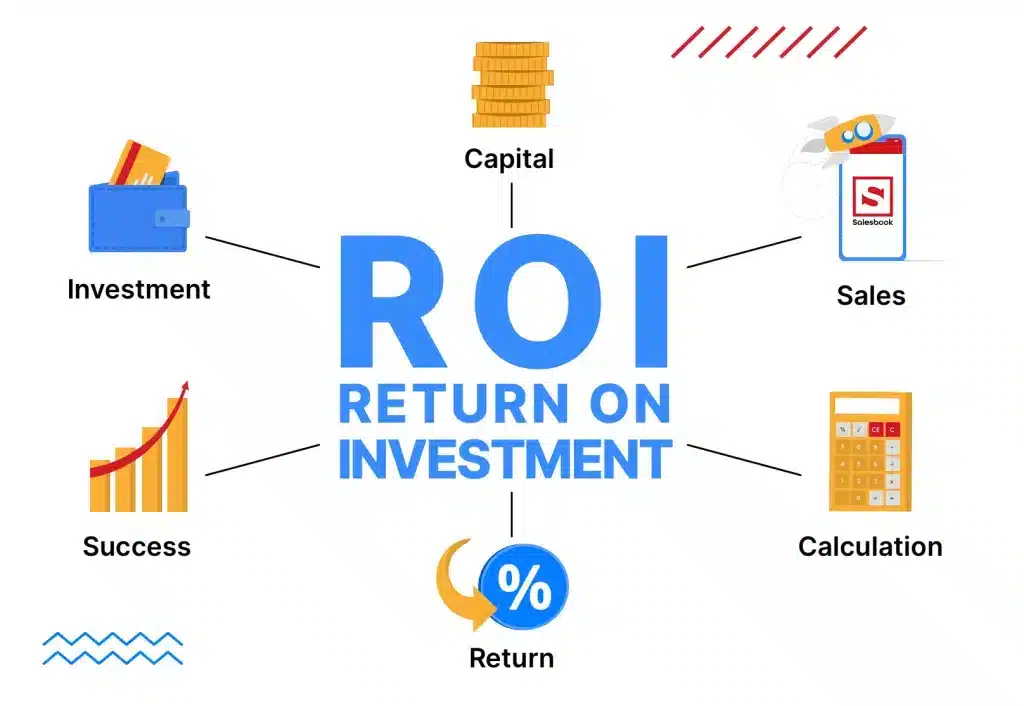
Determining the Return: Why is ROI More Important Than Surface Metrics?
The click-through rate (CTR) may rise while conversion fails. This does not mean the ad is bad; it means the user journey is not completed as it should be. Experts usually start from “What will the account earn after conversion?” rather than just “How many clicks did we get?”.
When we optimize campaigns according to Google Experts vs. Beginners’ Tips, we notice a direct difference: acquisition cost decreases, and scalability improves because we know exactly what works.

A Practical Methodology to Reduce Waste and Increase Results (Actionable Steps)
This is not theory; it’s a method we have repeatedly adopted to optimize PPC campaigns. Follow it as a weekly/bi-weekly system based on data volume.
- Review the structure: Do the groups genuinely serve a different goal or are they just a random collection?
- Define tracking indicators: Ensure conversions are recorded accurately before making significant change decisions.
- Start optimizing targeting based on conversion quality, not traffic volume.
- Implement only two small tests (ad/page or message/offer) instead of dozens of tweaks.
- Set a rule for decisions: When to stop a weak ad? And when to give it extra time?
- Document every change: Not just for organization but because accumulated changes without documentation lose your ability to understand the cause.
If you want to enhance your approach to setting up before launch, benefit from a practical guide on game-changing lessons from 2024 to explode the decision-making style within the account.
Calculating ROI: How to Understand Profits Rather Than Impressions?
When we say that Google Experts vs. Beginners’ Tips shows in ROI, we mean the difference in reading strategy. A beginner may look at the cost per click or even just the number of conversions. Experts connect spending with what can be considered actual value from conversion.
We use formulas to clarify where the campaign is improving. When the picture is clear, decision-making becomes easier: should we lower bids? Should we change the message? Should we tweak the page? Or should we review the targeting?
Because bid management directly affects ROI, we always recommend having a clear approach. You can apply this by reading Google Ads Tip #1: Don’t Run an Uncalculated Ad Campaign, as early optimization here saves budgets later.
What About Advanced Features? When Do We Use Them and When Do We Avoid Them?
Every time we face the question: “Should we activate everything?” we remember beginners who start with many tools without rules. Experts act the opposite way: if data is insufficient or measurement is incomplete, we focus on the basics first.
Therefore, we introduce advanced features when clear conditions are met: an organized campaign structure, accurate conversion tracking, and the ability to test adjustments without excessive complexity.
Applications of this include paying attention to how to handle groups and differences in behavior; in this context, understanding the benefits of google ads audience observation benefits can help you monitor performance and decide later instead of jumping directly to strict targeting.
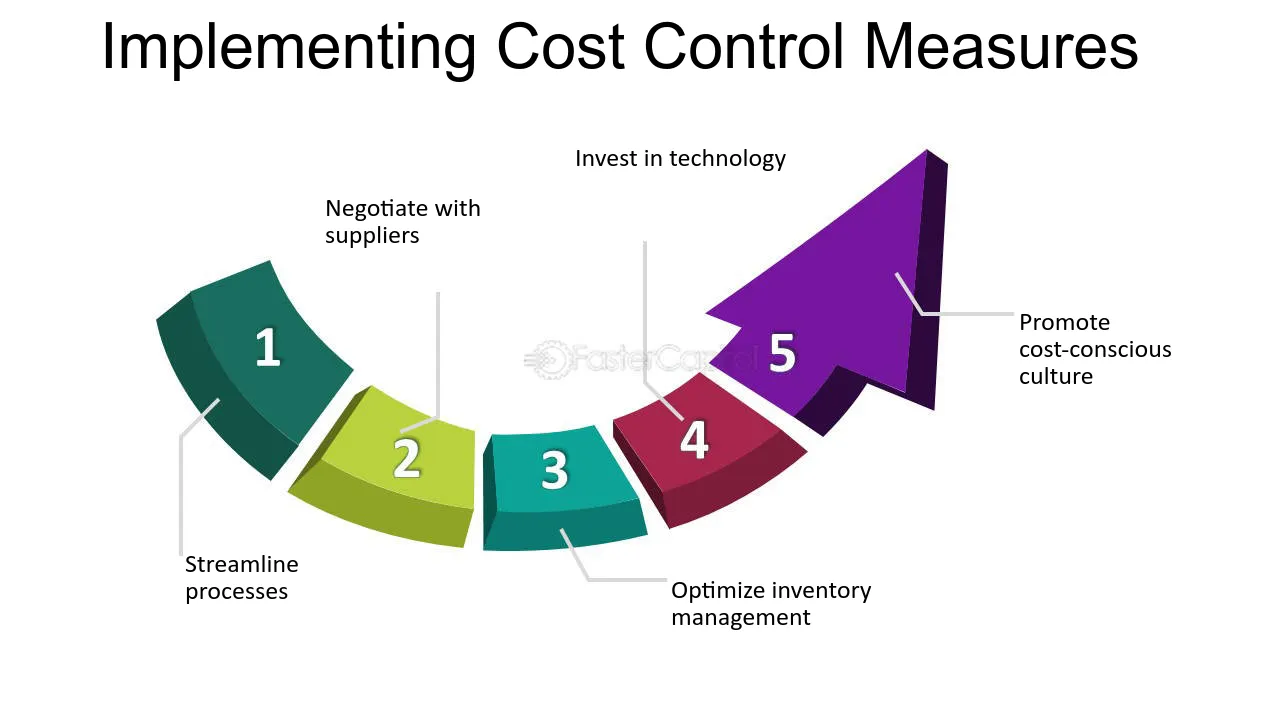
When conditions for measurement and structure are available, optimizations become more stable. And we’ve seen in many cases that applying simple cost management rules and adhering to systematic testing increases scalability without loss of control.
As platforms evolve, the implementation form will change, but the logic will remain: data + testing + continuous optimization. This is what will maintain the viability of the Google Experts vs. Beginners’ Tips approach even with the emergence of new tools.
Conclusion and Call to Action
If you want a tangible difference between Google Experts vs. Beginners’ Tips, start with one actionable step now: organize your campaign to facilitate analysis, link every adjustment to a clear goal, and then measure the real returns on conversions rather than surface metrics. When you transform the campaign into a constant optimization cycle, you will notice reduced waste and improved quality, and over time results will become more predictable.
Choose today one element to optimize (ad or landing page or targeting) and apply a short test according to a clear measurement system, and you will be closer to the experts’ style rather than waiting for the luck of improvement.
Frequently Asked Questions
How do I know if my problem is in the ads or the landing page?
Start by comparing two metrics: the click-through rate and the conversion rate. If the click-through rate is good but conversion is weak, the problem is likely on the page (the message does not match the promise, or friction is high, or the conversion form is unclear). If the click-through rate is weak, probably the ad or targeting needs rephrasing. It’s best to test one modification at a time so that causes do not overlap.
What is the appropriate duration to measure the result of an A/B test in PPC?
The duration depends on traffic volume and conversion frequency. The practical rule we follow is to avoid making decisions too early: give the test enough time to gather meaningful data, then compare based on conversion or acquisition cost, not just clicks. If the numbers are too low, you may need to extend the test or improve budget distribution before making a judgment.
Is using broad targeting a correct step as a starting point?
It can be correct as a starting point if you have accurate conversion tracking and a campaign structure that allows for sorting data later. However, if results show few conversions or high acquisition cost, it’s time to gradually narrow down targeting: exclude the unsuitable, improve signals based on performance, then expand what proves effective. The goal is to gather data without letting the budget run without direction.