


Running Google Ads in a competitive auction means you need more than “better ads”—you need Prioritize Quality Score Optimization so your ads earn stronger placement at a lower cost. When your ad copy matches what people are looking for and your landing page delivers the promise quickly, Quality Score tends to improve, CPC often drops, and performance becomes far more predictable. In this guide, we’ll walk through the exact levers we use to raise relevance, tighten the user journey, and turn Quality Score into measurable ROI.
What We Learned Running This Type of Campaign
In our experience managing PPC accounts for leads and ecommerce offers, we’ve seen the same pattern: teams try to “fix CPC” directly, but the auction rewards a better full experience. When we Prioritize Quality Score Optimization, we stop chasing isolated metrics and instead connect three things end to end—ad messaging, the search terms that trigger the ad, and the page people reach after they click. That alignment is what reduces friction, increases engagement, and gives you the quality signals that Google uses to evaluate ad relevance and landing page usefulness.
We also learned that the fastest wins come from high-volume areas first. Instead of changing everything at once, we identify the ad groups where performance is already close (not totally broken), then improve relevance and landing page clarity there first. Those improvements compound: better CTR can lead to a healthier conversion pipeline, and better landing page experience can stabilize conversion rate. That combination is what makes cost efficiency last beyond the initial experiment.
Finally, we learned to treat Quality Score as an operational system—not a one-time task. Every time we change an ad, add a keyword, update the landing page, or refine targeting, we re-check the quality signals and the downstream results. That cycle is what prevents “improvements” that look good on paper but don’t actually increase ROI.

Prioritize Quality Score Optimization: The Practical Framework
Prioritize Quality Score Optimization means you’re improving the components Google evaluates: ad relevance, keyword alignment, and landing page experience. Think of it like an internal scorecard for user usefulness. If the message is clear, the click feels justified, and the page answers the query quickly, you’re more likely to earn a higher Quality Score—which can help improve ad rank and reduce CPC over time.
Here’s a framework we use to guide decisions without guesswork:
- Match the promise from the ad to what the user expects to see immediately on the landing page.
- Make the first 5–10 seconds count by showing key details above the fold (pricing signals, product fit, or lead qualification questions).
- Control relevance by pruning low-intent search terms and tightening keyword-to-ad messaging alignment.
- Measure the whole funnel so you don’t optimize for clicks that never convert.
When this framework is applied consistently, your account becomes more efficient. You’re not just buying traffic—you’re earning it.
1) Enhance ad relevance with message alignment
Ad relevance is where many accounts leave money on the table. A common issue we see is that ads are written too broadly. They may sound persuasive, but they don’t reflect the specific reason someone searched. To fix this, we rewrite ad copy so it reflects what the user is actually trying to do.
Practical checks we run:
- Ensure the headline echoes the main value the user is seeking.
- Make the description add specific proof (features, benefits, service area, or urgency) instead of generic statements.
- If you advertise multiple offers, don’t force them into one ad set. Use tighter grouping so the message is consistent with the landing page.
- Use ad variations to learn which phrasing matches performance, then keep what works.
This is a direct way to Prioritize Quality Score Optimization because it improves the likelihood that clicks reflect genuine intent. That intent alignment often improves CTR, which is one of the measurable signals you can act on quickly.
2) Optimize landing pages for the user experience that converts
Your landing page experience affects Quality Score and your ROI at the same time. The goal isn’t simply “make the page look better.” The goal is to reduce uncertainty. People click because they expect an answer; if your page delays that answer or forces too many steps, the conversion rate suffers and your quality signals weaken.
What we focus on first:
- Load speed: improve performance so users don’t bounce while waiting.
- Mobile clarity: ensure the offer, form fields, and primary CTA are easy to use on a phone.
- Message match: restate the offer from the ad within the first section of the page.
- Conversion path: shorten steps and remove distractions that compete with the primary CTA.
- Trust elements: add proof relevant to the offer (reviews, credentials, guarantees, or clear policies).
When the page delivers quickly, conversion rate improves—and that is exactly how you turn Prioritize Quality Score Optimization into tangible ROI, not just a quality metric.
3) Improve keyword selection and tighten relevance
Quality Score is heavily influenced by relevance. That means your keyword strategy can either support efficiency or quietly inflate waste. If your keyword list includes low-intent terms, broad match behavior can trigger your ads for queries that don’t match your offer. Even if you get clicks, the engagement and conversion signals may be weak.
To improve keyword selection:
- Segment by intent: group keywords by what the user wants to do (compare, buy, request a quote, learn, etc.).
- Use tighter match control: reduce accidental triggers by using appropriate match types and negative keyword lists.
- Review search terms regularly: pause or exclude terms that repeatedly produce poor engagement.
- Prioritize high-intent patterns: allocate more budget to queries that historically lead to conversions.
Each refinement reduces mismatch, improves ad relevance, and helps you Prioritize Quality Score Optimization systematically.
4) Monitor and adjust bids with quality in mind
Bid adjustments shouldn’t be done blindly. We treat bids as a lever to test and scale what quality signals already suggest will perform. If you raise bids on traffic that has low alignment, you can increase spend without improving outcomes.
Instead:
- Increase bids for keywords/ad groups with stronger CTR and improving conversion rate.
- Use performance thresholds to guide changes, so you don’t scale weak segments.
- Reduce bids or pause ads/keywords that repeatedly show low engagement and low conversions.
- Keep experiments controlled, then compare performance before making broad changes.
This approach supports Prioritize Quality Score Optimization because it avoids scaling mismatch and keeps your ad exposure focused on users most likely to convert.

Visualizing the Impact of Quality Score Optimization
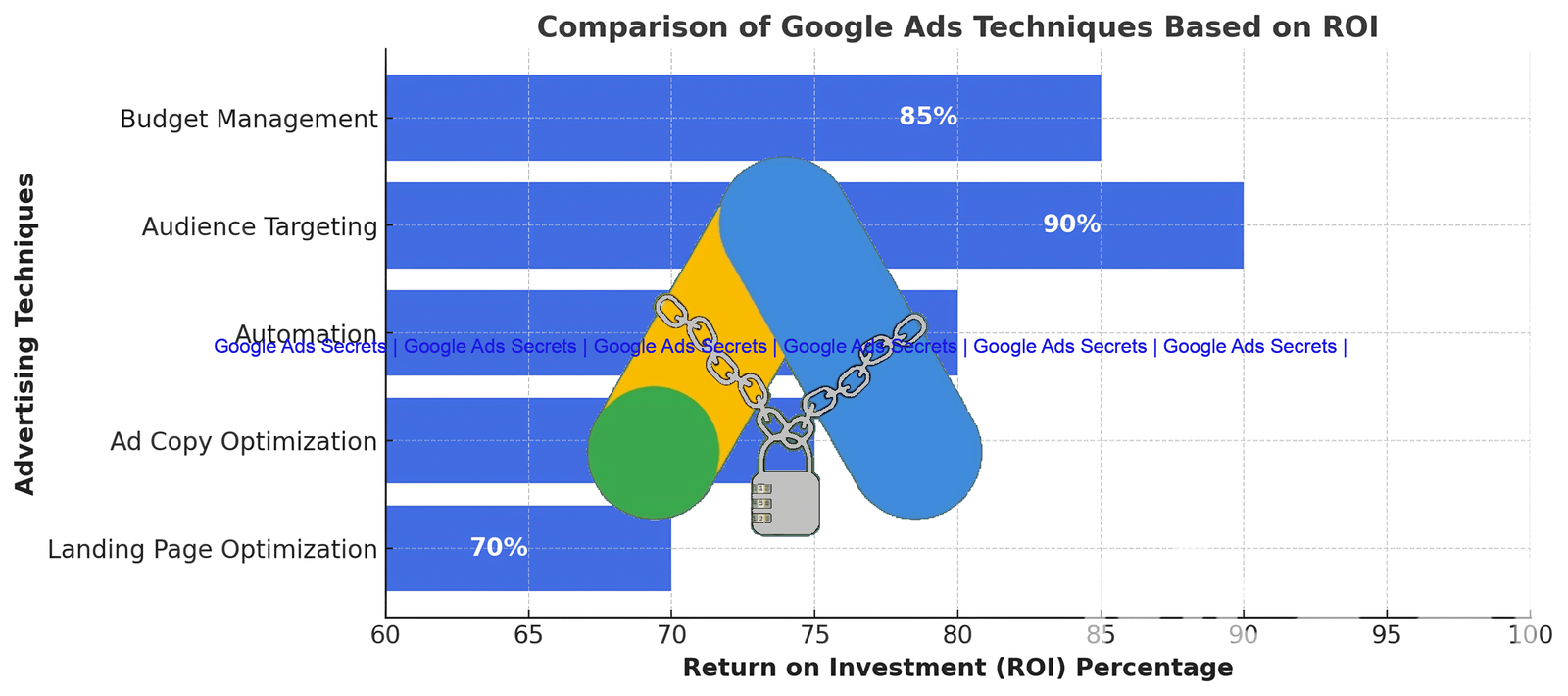
We prefer to make Quality Score improvements tangible. When teams hear “quality,” they often imagine an abstract score. But in practice, better quality can show up as lower CPC and more stable performance as your ad rank improves. The key is to track changes in metrics that reflect user satisfaction and conversion outcomes.
In our workflow, we frequently compare:
- CTR trends after ad copy updates
- Conversion rate after landing page changes
- Cost per conversion as the ultimate efficiency metric
- Impression share/position to see whether improved quality is helping placement
The goal is to connect actions to outcomes. When the numbers move in the right direction, you know your Prioritize Quality Score Optimization efforts are working.
How to Measure and Analyze Quality Score Improvement
Effective optimization relies on continuous monitoring. Rather than making changes based on one-day results, we look for patterns over time and ensure the funnel downstream is not deteriorating.
These are the metrics we monitor most closely:
- Click-Through Rate (CTR): A healthier CTR often indicates better relevance between what you promised and what users expected. It’s one of the earliest indicators that your message alignment is improving.
- Conversion Rate: If CTR rises but conversion rate falls, your traffic may be clicking out of curiosity rather than fit. That’s a sign to tighten relevance and landing page clarity.
- Landing page experience: We evaluate engagement quality by looking at bounce rate, time on page (where available), and whether users complete the intended action. A page that frustrates users typically drags efficiency.
If you’re building a cost-control discipline, consider pairing Prioritize Quality Score Optimization with stricter spend management. For example, you can learn how to avoid over-scaling ads without safeguards by reading this guide: google ads tip 1 never run good ad without a cost cap.
Set up your “quality improvement” checks
We use a simple checklist whenever we change something:
- What exactly did we change (ad copy, landing page, keyword list, targeting)?
- Which metric should improve first (CTR, conversion rate, cost per conversion)?
- What’s our acceptance threshold before scaling?
- What will we do if results move the wrong way?
This keeps Prioritize Quality Score Optimization from becoming random tinkering and turns it into a controlled growth process.
Warning: Don’t celebrate improved CTR alone. If the landing page doesn’t match the promise, you can attract low-fit clicks, raise costs, and eventually reduce ROI. Always verify that conversion rate and cost per conversion move in the same direction.
Examples of Quality Metrics and ROI Signals
Sometimes it’s easier to spot what’s happening when you connect performance visuals to your optimization plan. The following graphics help illustrate the relationship between campaign efficiency and measurable ROI outcomes.

As you iterate on relevance, you should expect ROI signals to become clearer. When Quality Score improves, it often shows up as better ad placement and improved cost efficiency, which can reduce cost per result.

If your team struggles to connect Quality Score work to business outcomes, use a simple ROI calculation to keep decisions grounded. Then review performance by ad group to ensure the right changes are producing the right results.
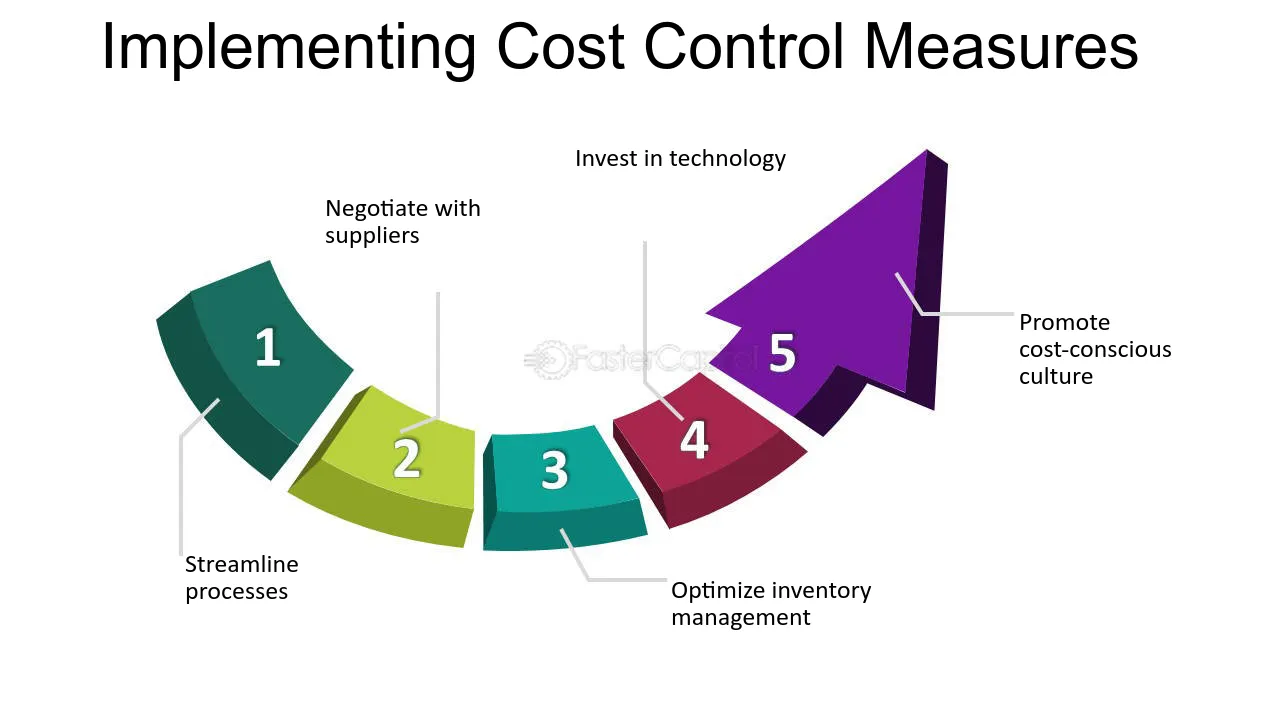
We also keep a practical mindset: if you’re seeing efficiency improvements, you can often scale carefully by doubling down on the ad groups that show both strong engagement and conversion performance.
Scaling What Works (Without Breaking Quality)
After you improve relevance, the next challenge is scaling. Many advertisers accidentally undo quality by broadening match too quickly or refreshing landing pages in ways that reduce message match. Scaling should be deliberate.
Our approach to scaling while maintaining Prioritize Quality Score Optimization:
- Scale by segments: expand budgets first in the ad groups and keywords that already show improved CTR and conversion rate.
- Protect the landing page promise: any landing page redesign should keep the first section aligned with the ad copy and user expectation.
- Recheck search terms: scaling can expose you to new queries. If that happens, adjust negatives and keyword matching.
- Test in small batches: update one variable at a time so you can trace outcomes.
If you want to level up account habits that prevent common mistakes, this related read can help with how some campaigns get unintentionally “led astray” by misleading assumptions: google ads tip 3 google ads fools you.

Pro Tip: Make Quality Score Optimization a Weekly Routine
Pro tip: Schedule a weekly 30-minute review focused on three areas: (1) ad relevance (what changed and what improved CTR), (2) landing page performance (did conversion rate move after updates), and (3) search term quality (are new queries matching intent?). This cadence keeps Prioritize Quality Score Optimization from becoming a sporadic project—and helps you scale only what’s earning better efficiency.
If you’re considering targeting strategies and want a practical way to think about audience observation and cost efficiency, this guide is worth your time: google ads tip 2 audience observation zero cost tremendous benefits.
Conclusion & CTA
When you Prioritize Quality Score Optimization, you stop fighting the auction blindly and start improving what Google rewards: relevance and landing page usefulness. By aligning ad messaging to the user’s reason for clicking, tightening keyword selection, optimizing the landing page experience, and measuring results end to end, you can reduce CPC and improve ROI with more reliable performance. Pick one area to improve today—ad relevance, landing page clarity, or keyword pruning—then track CTR and conversion rate to confirm the impact. Keep iterating, and your account will get stronger with every cycle.
Frequently Asked Questions
How long does it take to see results after prioritizing Quality Score optimization?
In many accounts, you can see early signals such as CTR changes within days after ad copy and relevance updates. Landing page improvements often show clearer effects once enough conversions accumulate—typically over one to several weeks depending on traffic volume. The most reliable way to judge progress is to compare trends over multiple weeks and ensure that improved CTR is supported by conversion rate and cost per result.
Should I optimize for Quality Score directly or focus only on conversions?
We recommend focusing on outcomes while using Quality Score as a guiding indicator. Conversions, cost per conversion, and qualified lead volume are your final objectives. However, Quality Score-related work (better message match, tighter relevance, improved landing page experience) tends to improve those outcomes. If you optimize conversions without checking relevance and landing page alignment, you can accidentally buy clicks that don’t represent fit and waste budget.
What are the biggest mistakes that prevent Quality Score from improving?
The most common issues we see are (1) broad keyword targeting that triggers ads for low-intent searches, (2) ad copy that sounds appealing but doesn’t match what the landing page delivers immediately, and (3) landing pages that are slow or confusing on mobile. Another frequent problem is making bid increases without first cleaning up relevance—scaling mismatch usually increases spend without improving conversions. Fixing these areas is the fastest path to Prioritize Quality Score Optimization that actually translates into better ROI.