
Google Ads vs Facebook Ads: Which Platform Is Better for 2025?
Google Ads vs Facebook Ads: Which Platform Is Better for 2025?
The debate over Google Ads vs Facebook Ads continues to be one of the most common questions in the digital marketing world. Whether you’re running an eCommerce store, a service-based business, or a local brand, choosing the right advertising platform can dramatically influence your cost per acquisition (CPA), return on ad spend (ROAS), and ability to scale.
In this comprehensive guide, we’ll explore the differences between Google Ads and Facebook Ads in terms of audience targeting, cost, buying intent, ad formats, campaign objectives, analytics, and scaling potential. By the end, you’ll know exactly which platform fits your business and how to leverage both for maximum results.
Understanding the Core Difference
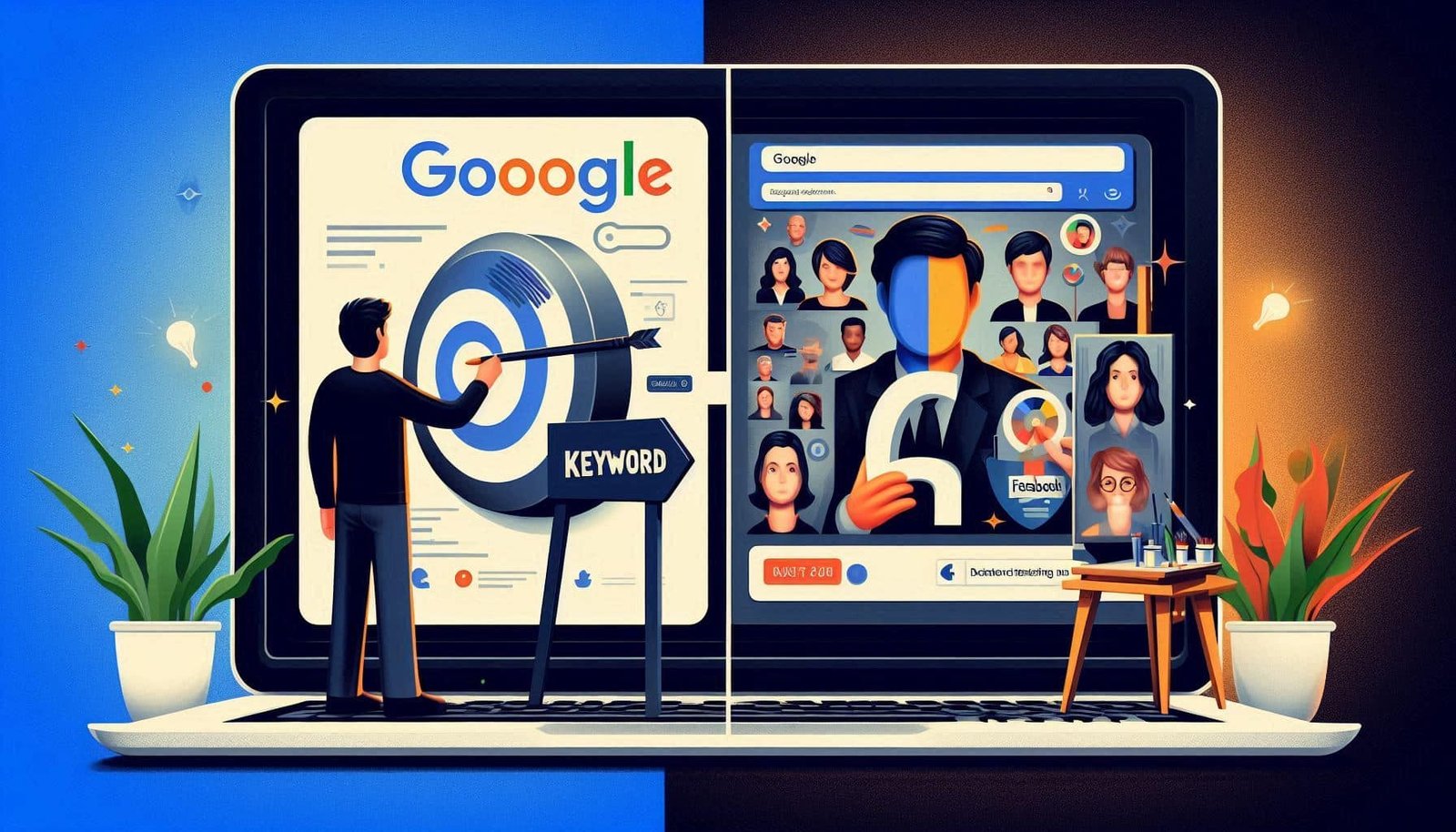
The most important distinction in the Google Ads vs Facebook Ads discussion is user intent.
- Google Ads = Intent-Based Advertising – People search for what they want right now.
- Facebook Ads = Interest-Based Advertising – You create demand by showing ads to people based on demographics and behavior.
This fundamental difference determines cost, performance, and the type of strategy you should use on each platform.
Audience Targeting: Interests vs Intent
Google Ads Targeting
Google Ads targets users when they’re actively searching for solutions. This makes Google ideal for high-intent keywords, product searches, and people ready to buy.
Google targeting includes:
- Keywords
- Search queries
- Remarketing audiences
- Custom intent audiences
Facebook Ads Targeting
Facebook Ads uses advanced audience profiling to show ads to users based on behaviors, demographics, and interests. It’s ideal for awareness and top-of-funnel marketing.
Facebook targeting includes:
- Interests
- Lookalike audiences
- Demographics
- Behavior-based signals
Cost Comparison: Which Platform Is Cheaper?
Cost is a major factor in the Google Ads vs Facebook Ads decision. While prices vary by industry, here’s the general rule:
- Facebook Ads usually have lower CPC (cost per click)
- Google Ads often have higher CPC but higher conversion intent
For example, in competitive industries like insurance, loans, legal services, and real estate, Google CPCs can reach $30–$100 per click. Meanwhile, Facebook CPCs range between $0.50 and $3 on average.
However, lower cost per click does NOT always mean better performance. Conversion intent plays a critical role in determining final CPA.
Conversion Rates: Google Usually Wins
Because Google captures users when they’re actively searching for a product or service, conversion rates tend to be higher. Users searching “best running shoes,” “pest control near me,” or “Shopify SEO services” are already ready to take action.
Facebook, on the other hand, is excellent at creating demand but may require more retargeting and nurturing before a user converts.
Ad Formats & Creativity
Another key factor in the google ads vs facebook ads comparison is creative flexibility.
Google Ads Formats
- Search Ads
- Display Ads
- Shopping Ads
- YouTube Ads
Facebook Ads Formats
- Image ads
- Video ads
- Carousel ads
- Reels ads
- Instant experience ads
Facebook heavily relies on visuals to stop users from scrolling. Strong creatives make or break performance.

Which Platform Is Better for Your Business?
Choose Google Ads if:
- Your product or service has measurable search demand.
- You want high-intent leads.
- You need fast conversions.
- You run a local or service business.
Choose Facebook Ads if:
- You have a visually appealing product.
- You want to build a brand.
- You want cheaper clicks and broader reach.
- You rely on storytelling or UGC content.
Using Both Platforms Together
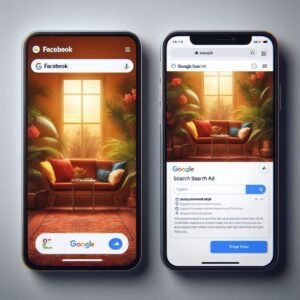
The most successful businesses don’t choose between Google Ads vs Facebook Ads— they combine them.
Example winning funnel:
- Facebook Ads → drive awareness & traffic
- Google Ads → convert people searching for your brand
- Retargeting → convert warm audiences
This multi-channel strategy leads to higher brand trust, stronger conversion rates, and stable long-term scaling.
Final Verdict
The choice between Google Ads vs Facebook Ads depends on your goals, budget, and product type. Google excels in capturing existing demand, while Facebook shines in creating new demand. For most businesses, using both platforms together delivers the best results.