

Google Ads vs Facebook Ads Cost: Which Platform Is Cheaper in 2025?
Google Ads vs Facebook Ads Cost: Which Platform Is Cheaper in 2025?
Understanding the true cost difference between Google Ads vs Facebook Ads cost is essential for any business running digital marketing campaigns. Both platforms dominate the online advertising space, but their pricing structure, audience behavior, and return on investment (ROI) can differ significantly. Whether you’re running eCommerce ads, service campaigns, or lead generation, choosing the right platform will determine how efficiently you spend your advertising budget.
Understanding How Each Platform Charges
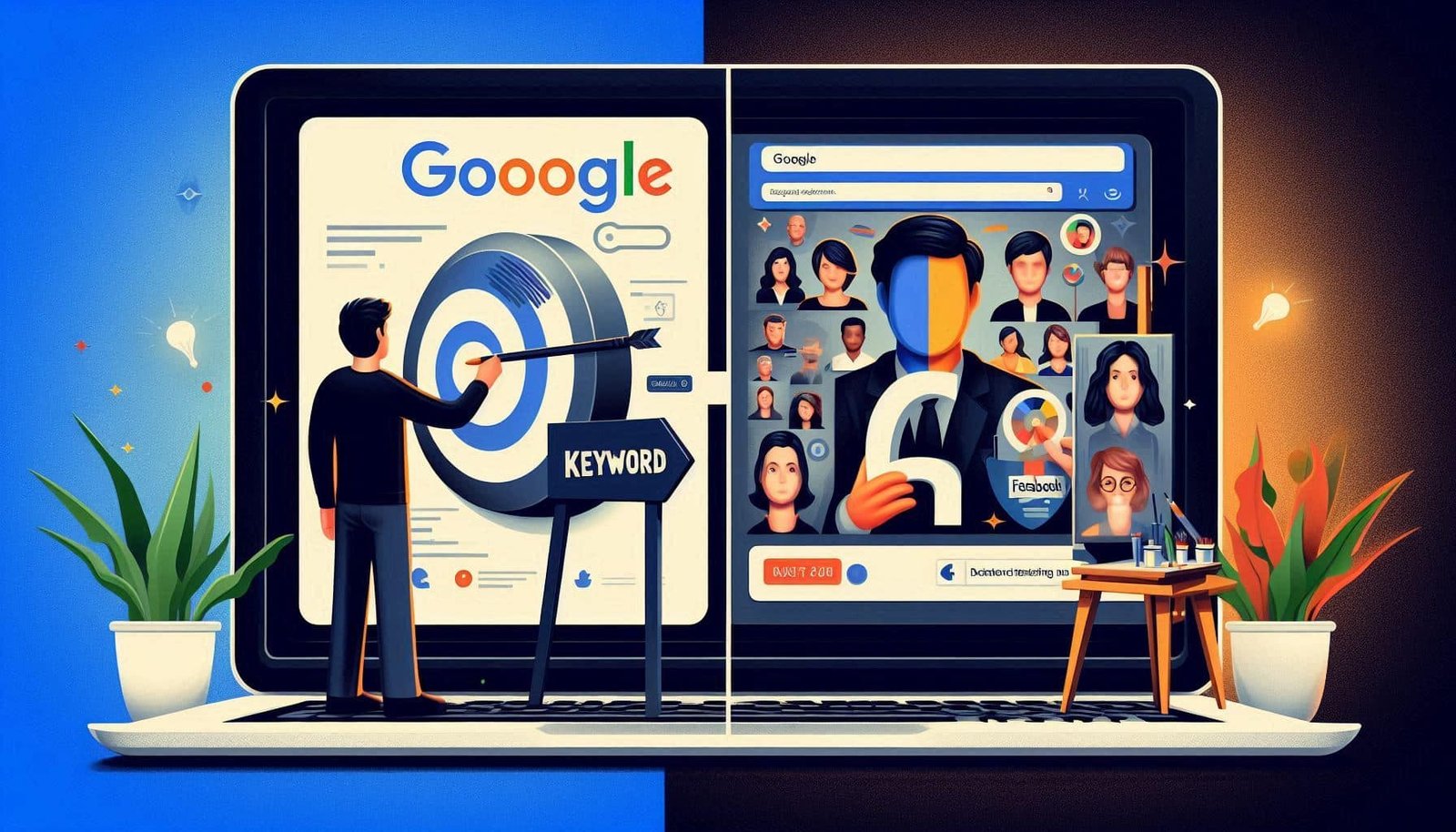
Before comparing the numbers, it’s important to understand how each platform calculates costs. Both Google Ads and Facebook Ads operate on auction-based systems, but the nature of that auction differs.
Google Ads Cost Structure
Google Ads primarily uses a Cost-Per-Click (CPC) model. You pay when someone clicks your ad. Since Google captures high-intent searches—like “best running shoes” or “SEO agency near me”—competition is often higher, meaning prices can rise quickly in competitive industries.
Facebook Ads Cost Structure
Facebook Ads often operate on a Cost-Per-1000 Impressions (CPM) basis, although CPC is also used. Because Facebook targets users based on interests and demographics rather than search intent, costs are generally lower, but conversions may require additional retargeting steps.
Average Cost Comparison in 2025
Below is a general comparison of the average costs of Google Ads vs Facebook Ads cost for most industries:
- Google Ads CPC: $1–$4 (general), $10–$70 (competitive industries like insurance or legal)
- Facebook Ads CPC: $0.50–$3
- Google Ads CPM: $20–$50
- Facebook Ads CPM: $7–$14
From this comparison, it’s clear that Facebook Ads typically offer cheaper clicks and impressions. However, that doesn’t always translate to cheaper conversions.
Why Google Ads Cost More
Google Ads often have higher CPCs for a simple reason: search intent is extremely high. When someone searches for “buy iPhone 15 online” or “emergency plumber near me,” they’re already ready to take action, which increases competition.
Businesses are willing to pay more for a click that has a higher percentage of becoming a sale. This is why Google Ads tends to deliver stronger bottom-funnel conversions, despite the higher price.
Why Facebook Ads Are Cheaper
Facebook Ads target users based on interests, behaviors, and demographics—not immediate intent. This means:
- Lower competition
- Lower CPC and CPM
- More cost-efficient top-of-funnel traffic
However, Facebook Ads require strong creatives to stop users from scrolling and engage them with your brand. Without compelling content, even cheap impressions won’t convert.
Conversion Cost Comparison
One of the most important parts of the google ads vs facebook ads cost analysis is the cost per conversion (CPA).
Typical CPA ranges:
- Google Ads CPA: $20–$120+
- Facebook Ads CPA: $10–$80
But the numbers vary widely depending on your industry, creative quality, landing page design, and the intent level of your audience.
Which Platform Gives Better ROI?
The answer depends on your business model.
Google Ads is better for:
- High-intent products & services
- Local businesses
- Search-driven solutions (e.g., plumbers, lawyers, dental clinics)
- Fast conversions
Facebook Ads is better for:
- Brand awareness
- eCommerce and impulse purchases
- Products that benefit from visuals
- Large-scale top-of-funnel campaigns
Using Both Platforms Together
The smartest businesses don’t choose between the platforms—they combine them. A hybrid strategy lets you:
- Capture search intent from Google
- Create demand and awareness on Facebook
- Retarget users across both platforms
This multi-channel approach leads to lower overall CPA and stronger long-term brand growth.
Final Thoughts
The debate over google ads vs facebook ads cost doesn’t have a one-size-fits-all answer. Facebook generally offers cheaper CPC and CPM, while Google delivers higher intent and often higher-quality conversions. The best choice depends on your product, your audience, and your marketing goals. For many brands, leveraging both platforms together offers the best possible ROI.